
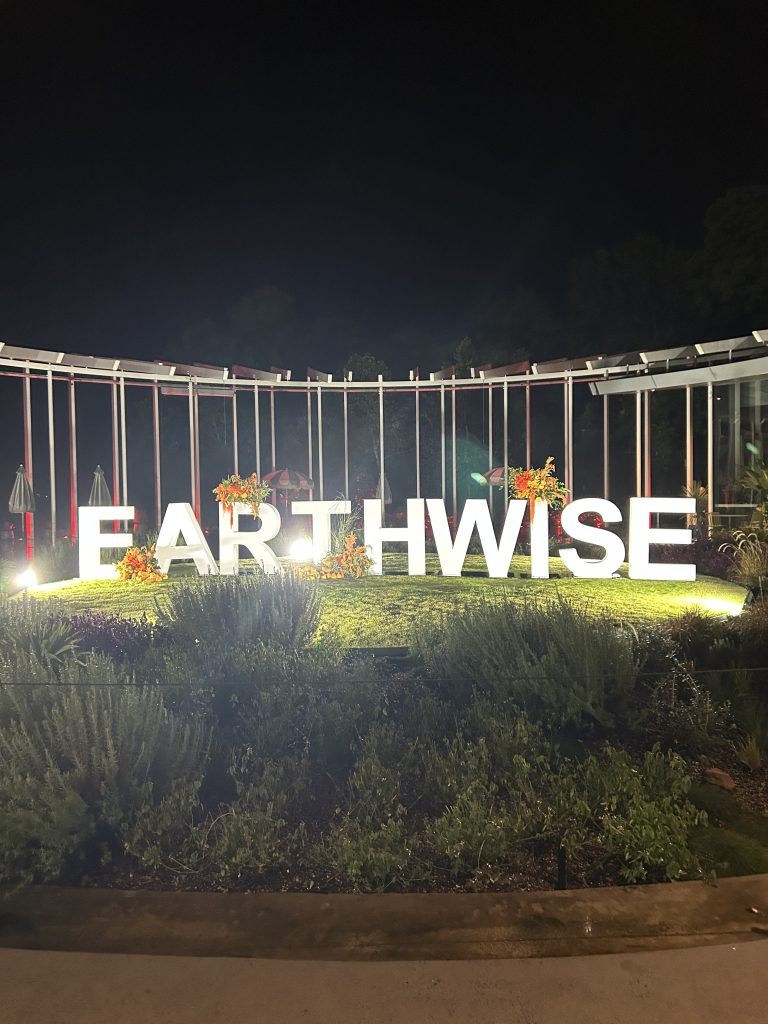
Shop signs can attract a significant share of people's attention. A real-world eye-tracking study found that 26% of all visual fixations went to shop signs, making them the most-viewed category measured.
Sydney also welcomed 67.5 million domestic and international visitors in the year ending March 2026, creating considerable opportunities for businesses to be seen.
With that visibility comes the challenge of standing out in a busy commercial environment. A sign needs to identify your business while creating a presence that people can clearly recognise and associate with your brand.
This is where the LED signs vs 3D signage decision matters. Visibility, cost, maintenance, design flexibility, and brand impact can all influence which option is best suited to your business. This guide compares those factors to help you make the right choice for your Sydney shopfront.
What Are LED Signs?
LED signs use light-emitting diodes (LEDs) to illuminate all or part of a sign, allowing the signage to remain visible in low-light conditions and after dark.
LED signage does not refer to one specific type of sign. Instead, LEDs can be incorporated into various signage formats to illuminate a business name, logo, graphic, or other design element.
Common examples include:
- Illuminated lettering: Individual letters containing or backed by LEDs
- Lightboxes: Sign faces illuminated from within
- Logo signs: Brand marks with integrated illumination
- Building signs: Illuminated signage mounted to a shopfront or building facade
What Is 3D Signage?
3D signage uses letters, logos or other design elements with physical depth, creating a raised appearance that stands out from the surface on which it is mounted.
The finished sign can vary depending on the material, depth, finish and mounting method. Common materials include:
- Acrylic: Clean and versatile for lettering and logos
- Metal: Suitable for sleek or architectural finishes
- PVC: Lightweight and adaptable to different shapes
- Composite materials: Useful for customised finishes and fabrication
Businesses can use 3D signage across Sydney to give names and logos greater depth and presence on everything from retail shopfronts to offices and commercial buildings. The lettering can be mounted directly to the surface or spaced away from it to create additional depth and shadow.
3D signage can also be illuminated or non-illuminated, depending on the design, location and intended appearance.
LED Signs vs 3D Signage: A Detailed Comparison
There is no single winner between LED signs and 3D signage. The better option depends on when the sign needs to be visible, what you want it to communicate and the practical requirements of the installation. Here is how they compare across five key areas.
1. Which Offers Better Visibility During the Day and Night?
LED signs generally provide more consistent visibility across both day and night.
In daylight, both options can stand out when the size, placement and contrast are right, with 3D signage gaining additional presence from its raised lettering and natural shadow.
The key difference appears after dark. LED illumination keeps the sign visible without relying heavily on surrounding light, whereas non-illuminated 3D signage does. This can make LED signs particularly useful for businesses that trade into the evening or need to be seen after daylight hours.
2. How Much Does 3D Signage Cost Compared with LED Signage?
Non-illuminated 3D signage can cost less than LED signage, although the final price depends on the design and installation.
LED signs require lighting components, power supplies, wiring and potentially additional electrical work, which can increase the overall cost.
For 3D signage, pricing is mainly influenced by size, material, letter depth, finish and fabrication complexity.
For either option, installation costs can also increase when signs are large, mounted at height or difficult to access.
3. Which Requires More Maintenance, and How Long Do They Last?
Non-illuminated 3D signage generally requires less technical maintenance, while LED signs have electrical components that may need attention over time. LED modules, drivers, wiring, and power supplies may eventually require repair or replacement.
For 3D signage, upkeep is more focused on cleaning and maintaining the materials and finishes. Outdoor signs may experience fading, corrosion or surface deterioration depending on what they are made from and where they are installed.
There is no fixed lifespan for either option. Material quality, LED component quality, weather exposure, installation and ongoing maintenance all influence how long a sign remains functional and presentable.
4. Which Has Greater Branding and Visual Impact?
LED signs and 3D signage can both create a strong brand impact, but they do so in different ways.
LED signage uses illumination to make a business name or logo more noticeable, particularly as natural light fades.
3D signage creates presence through depth, shape, shadow and material finishes, adding a physical dimension to the branding. The choice of acrylic, metal and other materials can also influence how the brand is presented.
Which works better depends on the brand identity, shopfront and desired appearance.
5. Which Offers More Design Flexibility and Customisation?
Both LED signs and 3D signage offer considerable design flexibility, although the options differ.
LED signage can be customised through the placement and style of illumination, allowing particular letters, logos or other elements to be highlighted.
With 3D signage, customisation can extend to letter depth, shape, size, materials, colours, finishes and mounting methods. This makes it possible to reproduce a wide range of logos and lettering styles in a dimensional form.
Ultimately, the available options depend on the brand design, installation space and fabrication requirements, rather than one signage type being inherently more customisable than the other.
Here is how LED signs vs 3D signage compares at a glance:
| Factor | LED Signs | 3D Signage |
|---|---|---|
| Visibility | Stays visible after dark | Strong dimensional presence during the day |
| Cost | Lighting and electrical work can increase costs | Cost varies by material, size and fabrication |
| Maintenance | Lighting components may need attention over time | Fewer technical components when non-illuminated |
| Brand impact | Creates impact through light and contrast | Creates impact through depth, shape and finish |
| Customisation | Flexible lighting styles and placement | Flexible shapes, materials, depths and finishes |
Do You Need Council Approval for a Business Sign in NSW?
Not always, some business signs in NSW can be installed as exempt development without a development application, provided the sign and property meet the relevant NSW planning standards.
Some important requirements include:
- Owner consent: Written consent from the property owner is required.
- Number of signs: Exempt-development rules allow up to three business identification signs where a building has one commercial tenant, and up to six in total on any building.
- Public roads and footpaths: A sign projecting over a public road or footpath requires Section 138 approval under the Roads Act 1993.
- Illuminated signs: Cables must be concealed, and exempt signs cannot contain animated, moving or flashing images.
- Lighting hours: If there are no specified operating hours, an exempt sign can generally only be illuminated between 7 am and 10 pm, with additional restrictions applying in or near certain zones.
The requirements also vary by sign type, including wall, fascia, under-awning, window and top-hamper signs. If a proposed sign does not meet the exempt-development standards, another approval pathway may be required.
So, before designing or installing an LED or 3D signage in Sydney, check the NSW Planning Portal and the planning controls that apply to the specific property, rather than assuming the sign is exempt.
Can You Combine LED Lighting with 3D Signage?
Yes, LED lighting can be incorporated into 3D signage, allowing letters and logos to retain their dimensional appearance while also being illuminated after dark.
Common lighting styles include:
- Face-lit: Light shines through the front of the letters.
- Halo-lit: LEDs illuminate the surface behind the letters, creating a glow around them.
- Combination-lit: Lighting is used at both the front and back of the letters.
These illuminated 3D letters can provide the depth and finish of dimensional signage during the day while remaining visible at night. The right lighting style will depend on the sign design, mounting surface and overall look the business wants to achieve.
What Is the Best Signage for a Shopfront?
Different shopfronts place different demands on signage. Trading hours, the way customers approach the premises and the surrounding businesses can all influence whether illumination, dimensional lettering or another approach is more useful.
For example:
- Retail stores: Distinctive signage can help separate the business visually from neighbouring stores.
- Restaurants and cafés: Illumination can be valuable for attracting attention during evening trading.
- Professional offices: 3D lettering can provide a clean, dimensional look suited to corporate branding.
- Showrooms: Larger, prominent signage can make the business easier to identify from the road.
- Businesses open after dark: LED illumination can keep names and logos visible once daylight fades.
There is therefore no single best signage for a shopfront across all business types. The examples above show why the decision should be based on the actual conditions in which customers will see and identify the business.
Bring Your Sydney Signage to Life with Mega 3D Signs
Once you have an idea of whether LED signs or 3D signage suits your business, the next step is to turn that choice into a sign that works for the actual space.
At Mega 3D Signs, we manage projects from concept development through to fabrication and installation, with signage tailored to the brand, location and intended application.
Our capabilities include 3D signs, LED lettering, light boxes, and custom-made signage, supported by creative services, design production, installation, and assistance with plans and permits. We also offer recyclable options and use durable materials designed for demanding outdoor environments. Browse examples of our recent work in our project gallery.
Whether you are still comparing or already have a design in mind, our team can help take the project from an initial idea to a finished sign for your Sydney business.
Contact us today to discuss your signage project.
FAQs
Can You Add LED Lighting to an Existing 3D Sign?
Sometimes. Whether an existing 3D sign can be retrofitted with LEDs depends on its construction, materials, mounting, available space for electrical components and access to a suitable power supply.
How Long Do LED Signs Last?
Quality LEDs commonly have rated operating lives measured in tens of thousands of hours. Actual lifespan depends on the LED components, operating conditions, heat management, weather exposure and maintenance.
Do LED and 3D Signs Need Professional Installation?
Professional installation is generally recommended. Correct mounting is important for the sign's stability and positioning, while illuminated signage may also involve electrical work that must meet applicable Australian requirements.
Can a 3D Sign Be Installed on a Rented Premises?
Yes, but permission from the landlord or property owner may be required before installation. Businesses should also check their lease conditions and any applicable planning requirements before making changes to the shopfront or building.