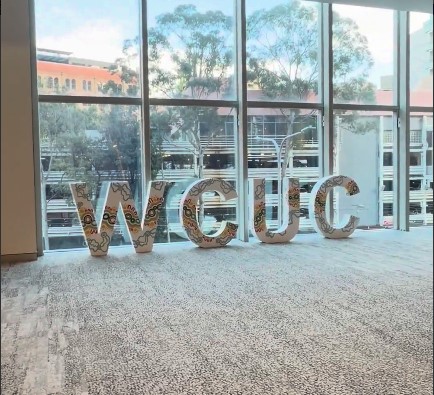
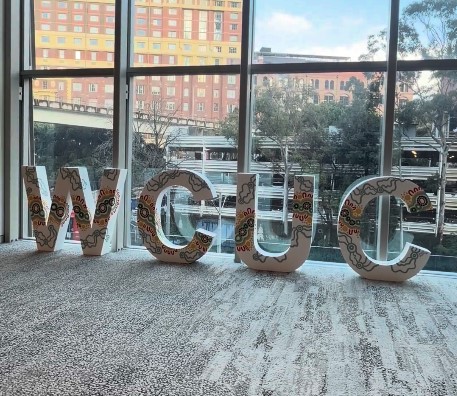
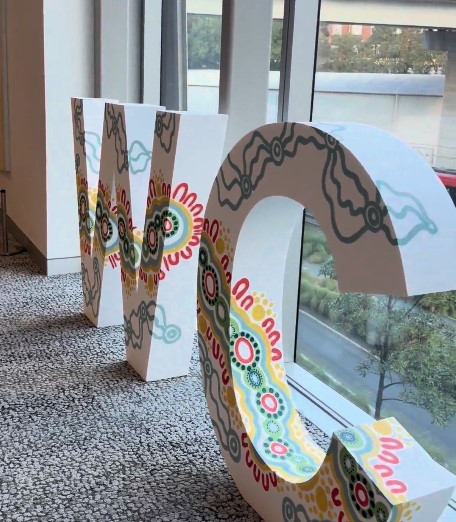
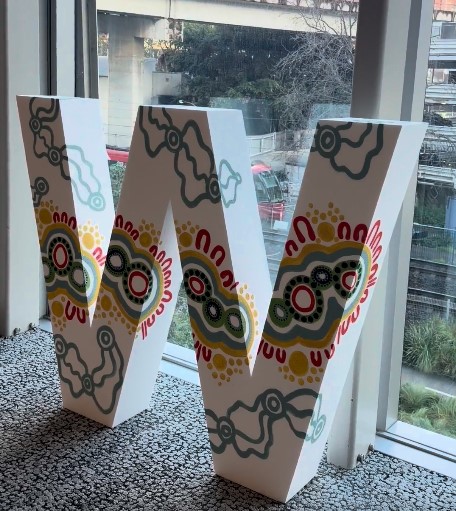
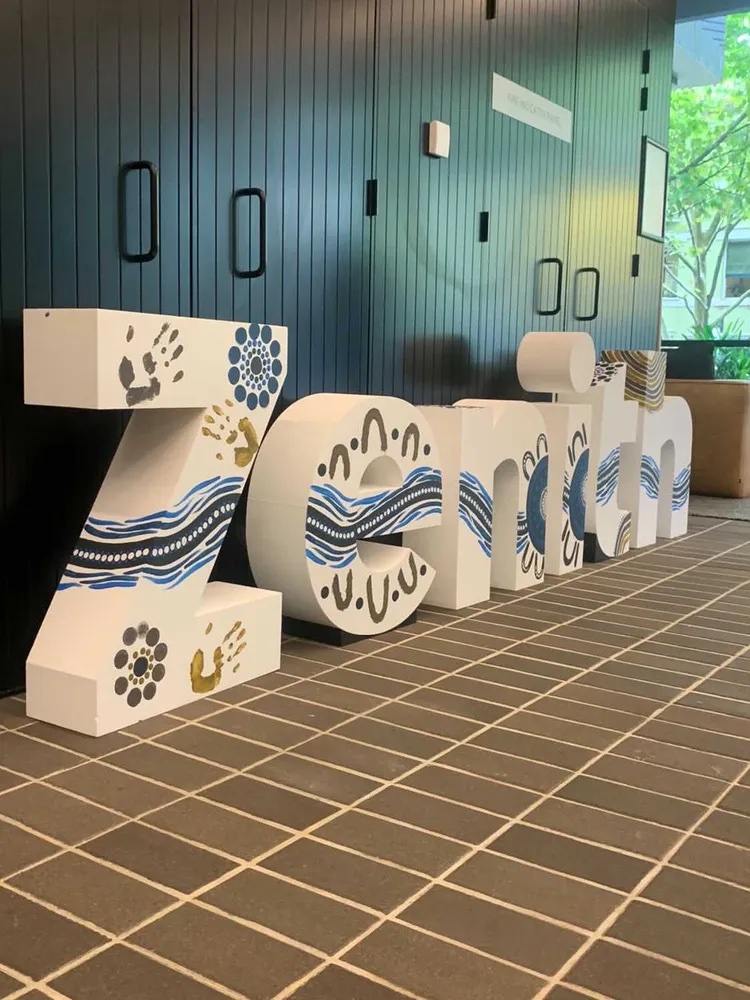
Indigenous Signs
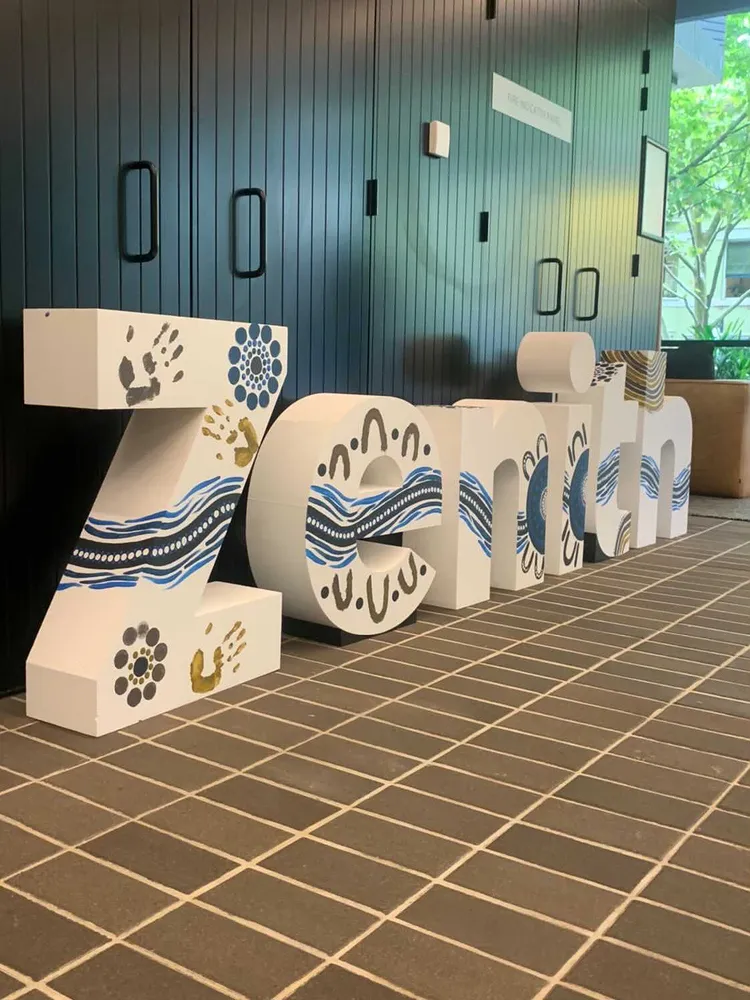
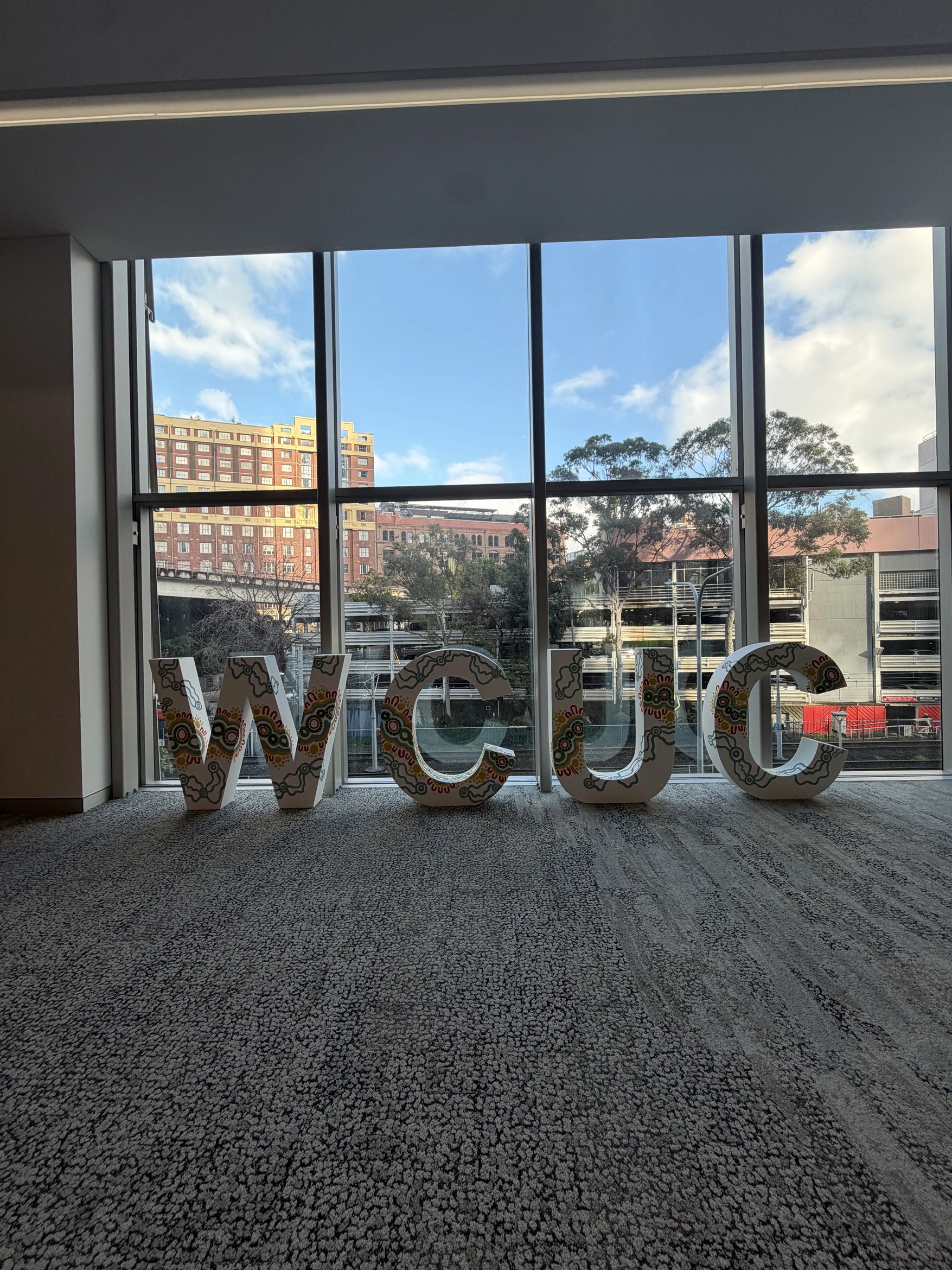
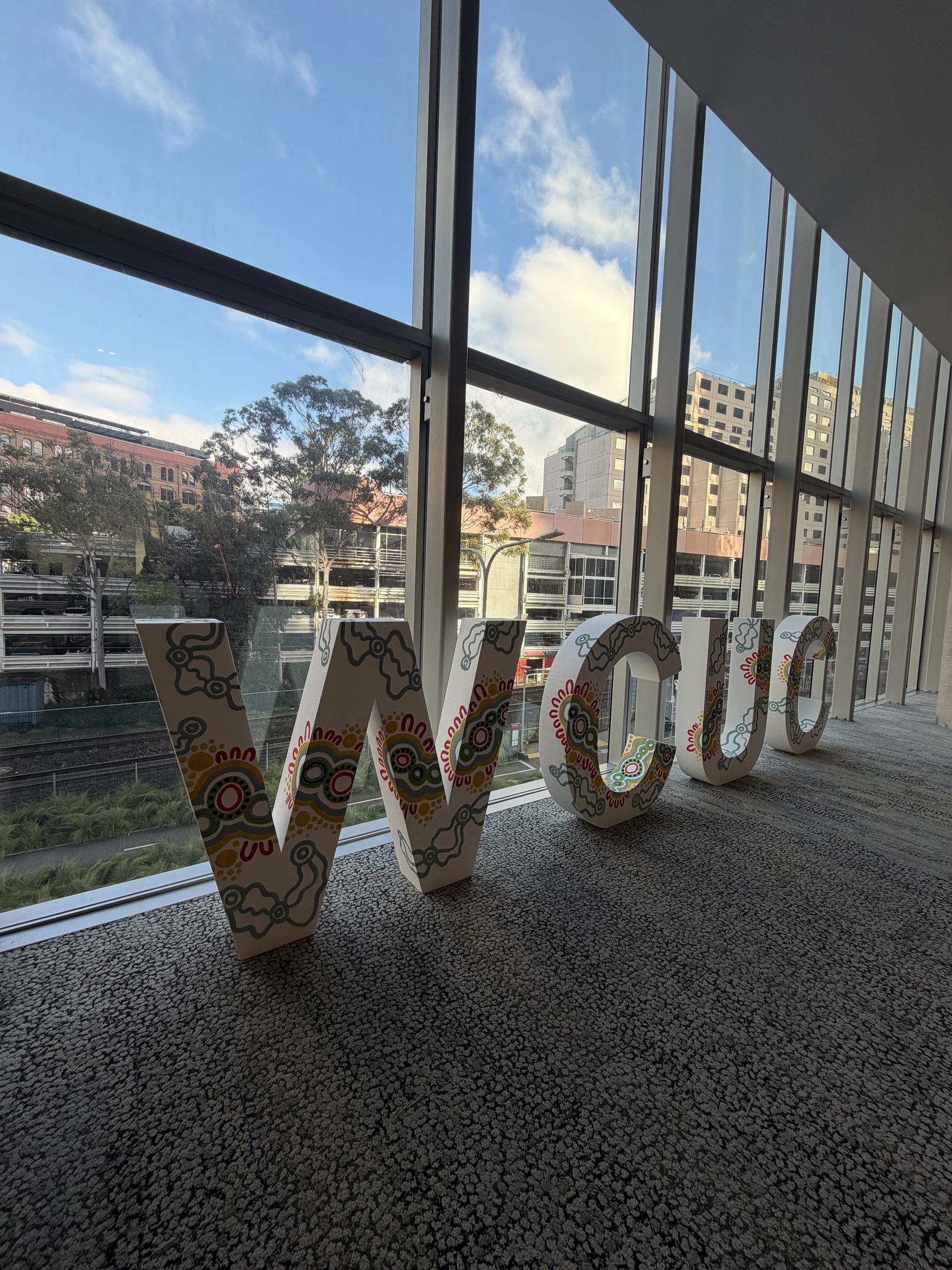
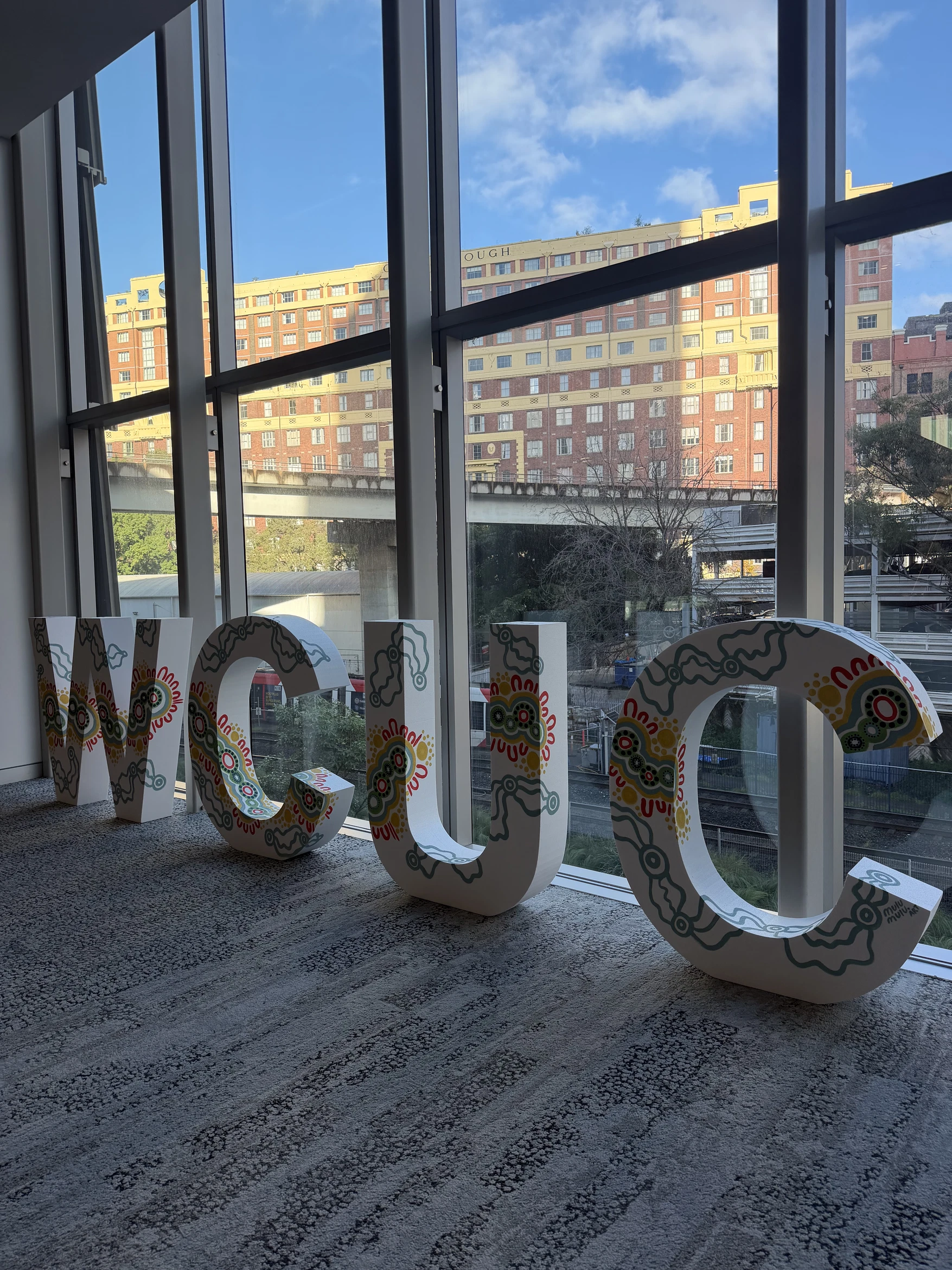
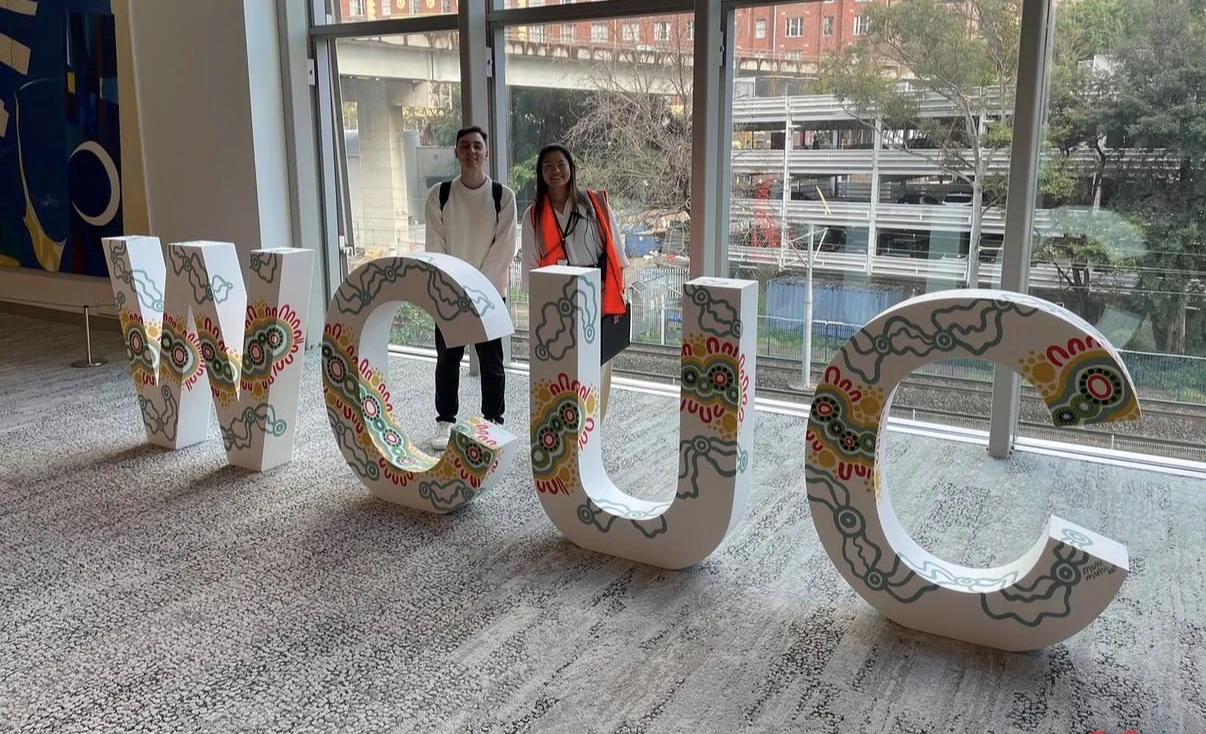
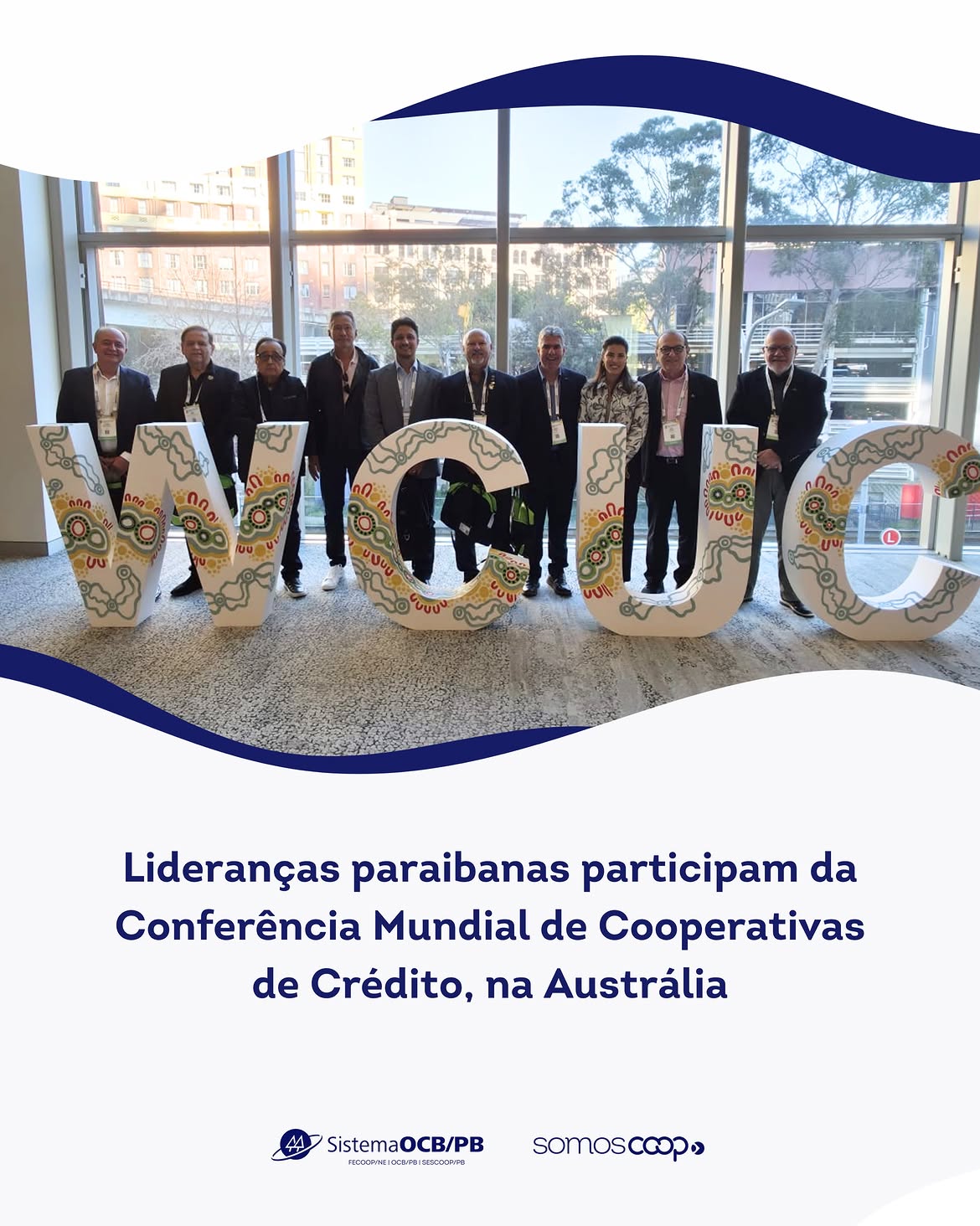
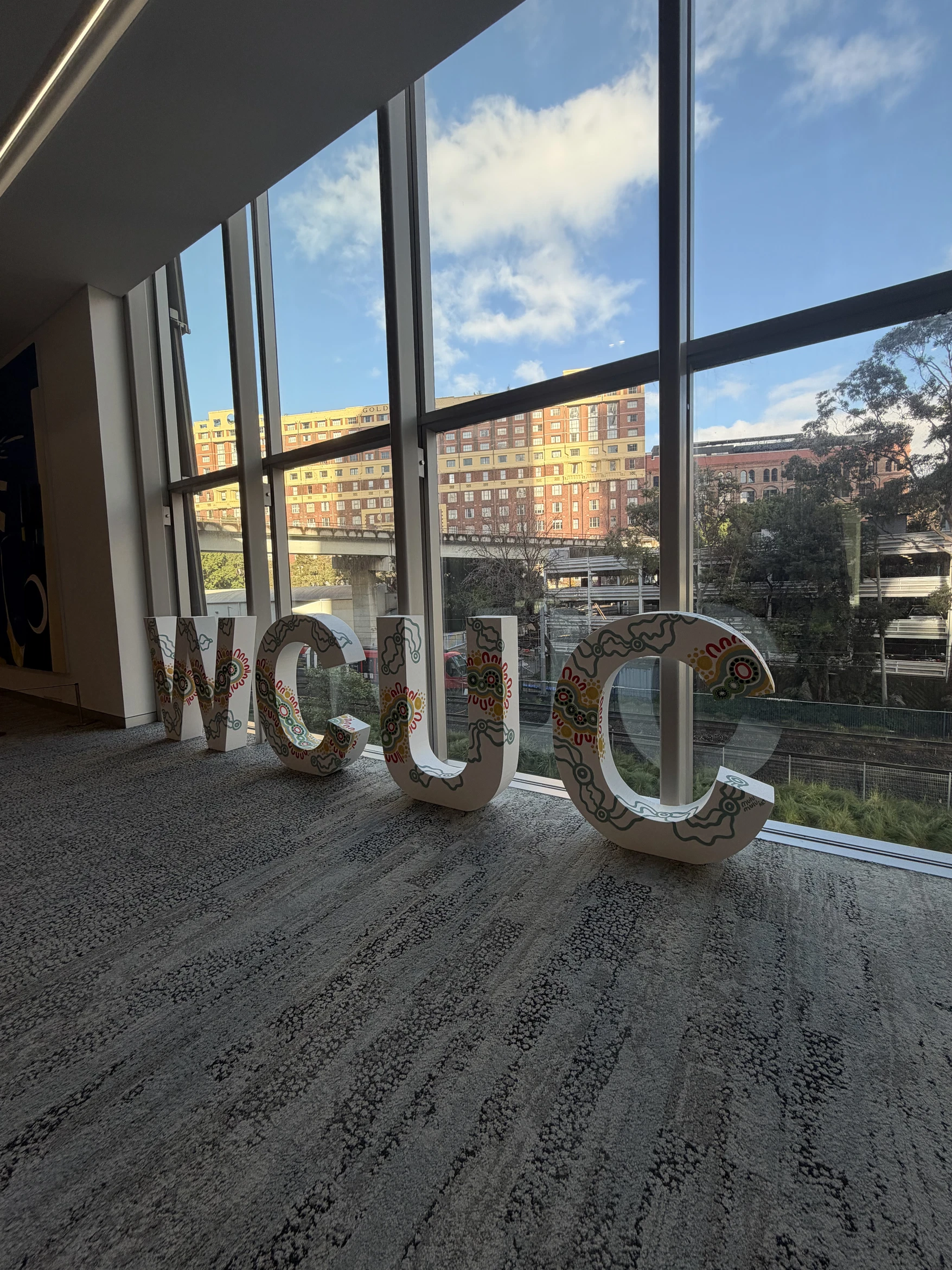
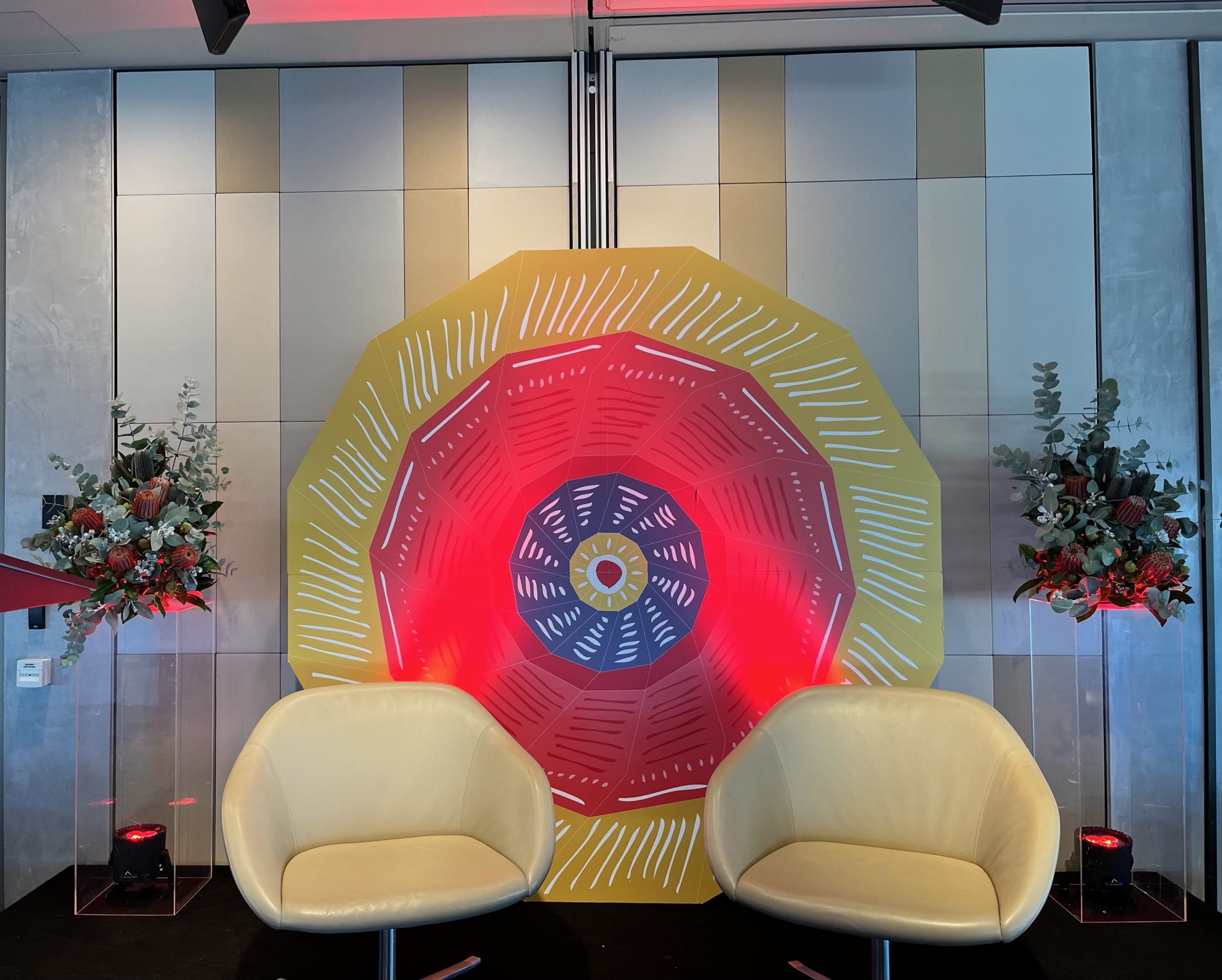
Celebrate Culture with Meaningful Indigenous Sign Designs
- Authentic designs reflecting culture, stories, and heritage
- Custom signage crafted with thoughtful attention to details
- Meaningful displays creating strong community connections
FAQ on Indigenous Signs
Does Mega 3D Signs work directly with Aboriginal and Torres Strait Islander artists to create these designs, or are they produced without artist involvement?
This is worth confirming directly, since the page doesn't specify how designs are developed. Genuine cultural authenticity typically depends on direct collaboration with an Aboriginal or Torres Strait Islander artist, with the artwork's meaning, symbols, and story remaining theirs to tell — so it's a fair and important question to ask before commissioning a design. Contact us to ask directly.
Are these signs suitable for a Reconciliation Action Plan (RAP) commitment, or are they more general cultural signage?
RAP-related signage — such as artwork displays or Acknowledgement of Country plaques at reception or entry points — is a common commitment organisations make as part of their RAP, and this kind of signage could potentially support that. It's worth discussing your specific RAP commitments with Mega 3D Signs directly, since what counts toward a RAP action typically depends on how the artwork was created and credited.
What does the process look like for commissioning a custom Indigenous sign, from concept to installation?
The general process moves through concept design, production, and then delivery and installation, with Mega 3D Signs handling all three through its Creative Services, Design Production, and Delivery & Installation teams. For a project like this, it's worth asking specifically how the concept and design stage works — including any artist consultation involved — since that shapes both the outcome and the timeline. See Design Production.
What information does an organisation need to provide to start an Indigenous sign project respectfully and appropriately?
Beyond standard project details (space, size, workplace or community context), it's worth having an early conversation about your organisation's specific connection to community — whether you're working with a particular Traditional Owner group, an existing artist relationship, or starting that process from scratch. Being upfront about where you are in that journey helps shape a more considered brief from the outset. Contact us to start that conversation.
How does Mega 3D Signs ensure artwork used in these signs is properly attributed and licensed to the artist?
This is an important question to raise directly, since it isn't addressed on the page. Standard practice for genuine Indigenous artwork involves clear artist attribution, cultural permissions from the artist and their community where relevant, and a licensing arrangement that respects the artist's ongoing rights to their work.
Can an Indigenous sign be tailored to reflect a specific community, language group, or Country, rather than a generic design?
This is worth raising early and directly, since a design tied to a specific community, language group, or Country is a meaningfully different project to generic cultural signage. If your organisation has an existing relationship with Traditional Owners or a specific community, mentioning this upfront helps ensure the design reflects that connection rather than a broader, less specific approach.
What's the difference between a generic "Indigenous-style" sign and a genuinely artist-led, authentic design?
A genuinely artist-led design is created by an Aboriginal or Torres Strait Islander artist, with the meaning, symbols, and story remaining under their control and shared with consent, typically accompanied by artist attribution and a licensing agreement. A generic "Indigenous-style" design, by contrast, uses visual motifs without direct artist involvement or consent — a distinction that matters both ethically and for genuine cultural representation.
What materials are used for Indigenous signage, and how durable are they for workplace or community outdoor use?
Materials aren't specified on the page, but Mega 3D Signs works across durable materials like acrylic, aluminium, and printed substrates elsewhere in its range, and the right choice for this kind of sign would depend on whether it's going indoors (reception, office) or outdoors (community space, building entrance). It's worth confirming which materials suit your specific location and how it will be displayed. See About Us.
Can an Indigenous sign incorporate an Acknowledgement of Country alongside artwork and storytelling elements?
Combining artwork with an Acknowledgement of Country is a common approach many organisations take, often as reception or entrance signage. Whether artwork and text are combined on one sign or displayed separately is a design decision worth discussing directly, since it affects both layout and how each element is best presented.
How much lead time should I allow for a custom Indigenous sign, given the design and consultation process involved?
This kind of project likely needs more lead time than standard signage, particularly if artist consultation, cultural permissions, or community engagement are part of the process. It's best to raise your timeline early and ask specifically what the consultation and design stages involve, since that will shape a realistic schedule more than production time alone.
Does Mega 3D Signs handle installation of Indigenous signage at a workplace or community space?
Yes, in general — Delivery & Installation Services handles getting signage on-site and installed as part of Mega 3D Signs' broader offering. For a workplace or community space specifically, it's worth discussing installation timing and any cultural considerations for the space with the team directly. See Delivery & Installation Services.
Are these signs suitable for outdoor community spaces, or are they designed mainly for indoor workplace display?
This isn't specified on the page, so it's worth confirming directly, since outdoor community spaces need weather-resistant materials in a way that indoor workplace signage doesn't. Flagging your intended location early helps ensure the design and materials suit where the sign will actually live.
Has Mega 3D Signs produced Indigenous signage for organisations or community spaces before, not just standard commercial signage?
This is worth asking directly, since the page's gallery doesn't provide context confirming which projects were for organisations, workplaces, or community spaces specifically. Asking to see examples with that context — including, where possible, information about the artists involved — is a reasonable and useful step before commissioning a project like this.
Can an Indigenous sign be updated or expanded later if an organisation's community partnerships grow?
This is worth discussing at the outset rather than assuming either way, since it depends on how the original piece was designed and produced. If your organisation's community relationships are likely to develop over time, mentioning this during the initial brief may help keep future updates simpler.
Does Mega 3D Signs only produce Indigenous signage for Sydney-based organisations, or elsewhere in Australia too?
Mega 3D Signs specialises in Sydney CBD and Parramatta but delivers premium signage solutions across Australia more broadly, operating from its South Windsor, NSW base. If your organisation is outside Sydney, it's still worth enquiring rather than assuming the service doesn't extend to your location.